

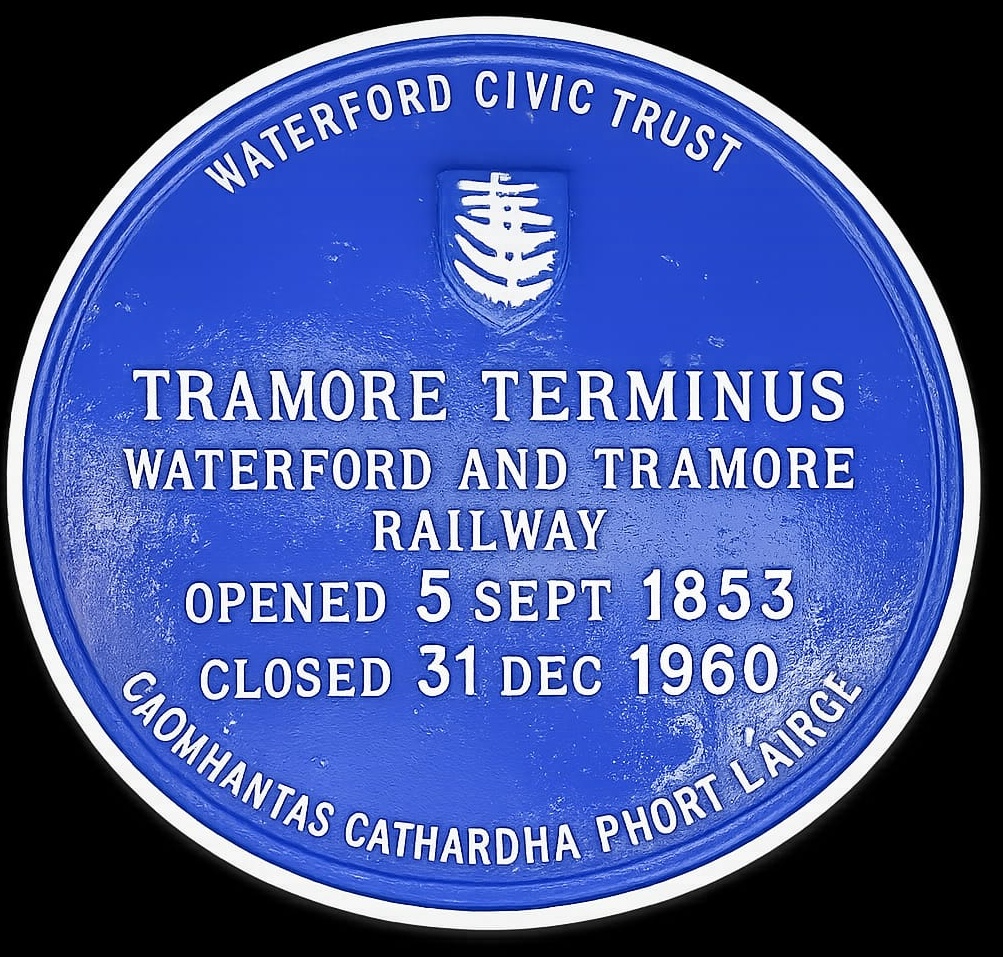
For 107 years, the Waterford and Tramore Railway carried generations of people to work, to the seaside, to dances and home again.Since its opening in 1853, the line had become woven into the fabric of everyday life. Families travelled to Tramore for summer outings,visitors came to enjoy the beach and sea air, and young people boarded the famous Dance Trains bound for evenings at the Atlantic Ballroom.For many, the railway was associated with some of life's happiest memories. Childhood excursions, family holidays, friendships and romances all played out along its seven-mile route between Waterford and Tramore.
By the mid-twentieth century, however, travel habits were changing. As car ownership increased and road transport improved,passenger numbers declined. On 31 December 1960, after more than a century of service, the Waterford and Tramore Railwayclosed for the final time. The tracks have long since disappeared, but the railway's legacy remains.
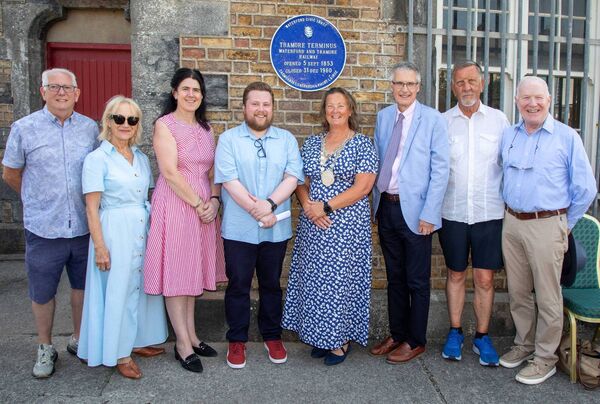
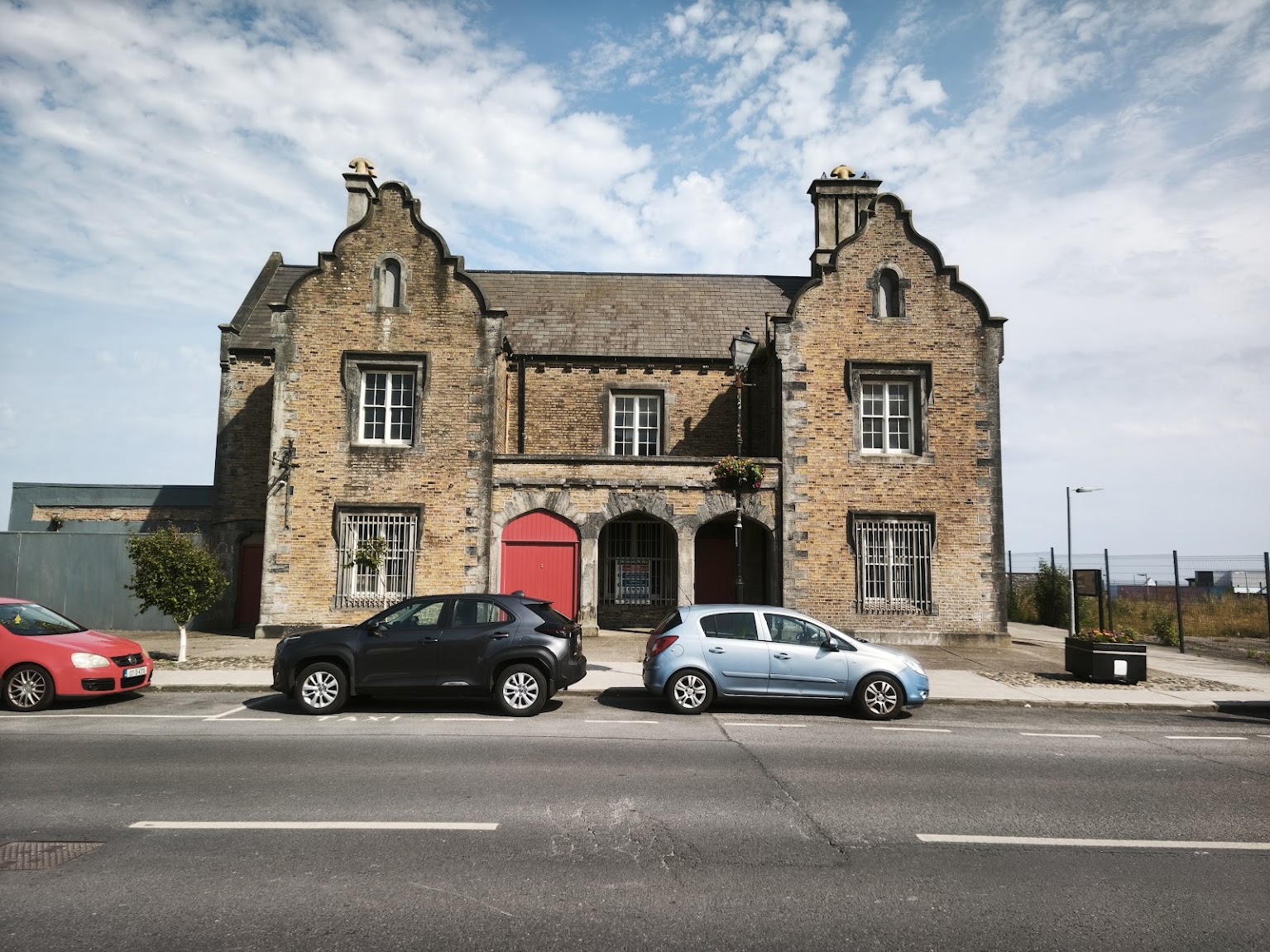
It helped shape the development of Tramore, supported local businesses and connected generations of people with the town they came to know and love.Waterford Civic Trust has unveiled a new Heritage Blue Plaque commemorating this remarkable chapter in Waterford's story and ensuring that the memory of the #Waterford and Tramore Railway continues for future generations.A sun-soaked Tramore was the setting for the unveiling of a Waterford Civic Trust Heritage Blue Plaque at the old railway stationon Friday, July 17, by Metropolitan Mayor, Councillor Lola O’ Sullivan. The plaque remembers the Waterford and Tramore Railwayand it was appropriately placed on the rail terminus in the seaside town.

Contact Waterford Civic Trust
Waterford Civic Trust
Fumbally Exchange,
Brick Lane,
Greyfriars,
Waterford
t: +353 (051) 849602 | (0)76 1102602
e: info@waterfordcivictrust.ie


